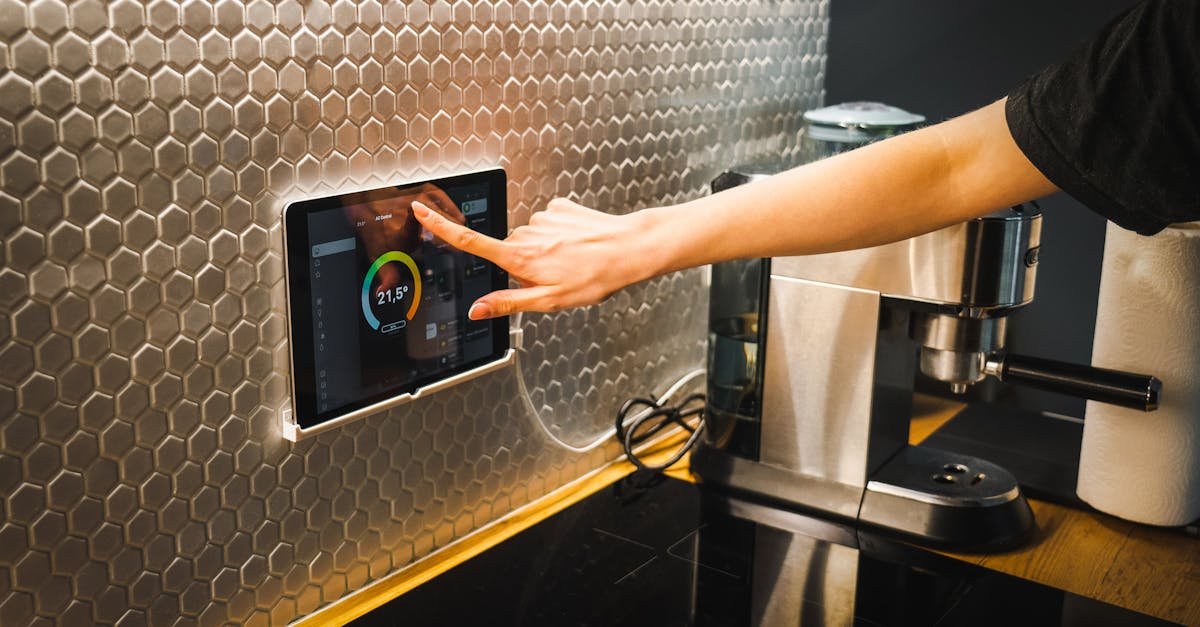
Why Most People Hate Setting Up a Smart Home (And What Actually Works for Real Convenience)
The dream of a smart home is seductive: lights that dim themselves as you settle in for a movie, doors that lock automatically when you leave, and a thermostat that learns your habits to save energy. In reality, for most people, setting up a smart home feels like wrestling with a tangled knot of incompatible gadgets, finicky apps, and frustrating glitches. I’ve seen countless friends and family members, excited by a new smart speaker or light bulb, quickly become disillusioned, their smart devices gathering dust because the experience was anything but smart.
The core problem isn’t the technology itself; it’s the approach. Most folks treat smart home adoption like buying individual appliances – a smart bulb here, a smart plug there. They fail to consider the ecosystem, the underlying communication protocols, and the critical need for a centralized brain. This piecemeal strategy inevitably leads to a disjointed, unreliable, and ultimately infuriating experience. After years of testing countless smart devices and helping dozens of people transform their living spaces, I’ve come to understand that simplicity and interoperability are the bedrock of a truly convenient smart home, not just a collection of flashy gadgets. The mistake I see most often is focusing on the individual product features rather than the holistic user flow. What changed everything for me was shifting my perspective from ‘what can this device do?’ to ‘how does this device contribute to a seamless living experience?’
Key Takeaways
- Avoid piecemeal device purchases; plan your smart home as a cohesive system from the outset.
- Prioritize common communication protocols like Zigbee or Z-Wave over proprietary Wi-Fi devices for better reliability.
- Invest in a central smart home hub to unify control and automate complex routines.
- Focus on solving specific, recurring inconveniences rather than chasing every new smart gadget.
The Fatal Flaw: The ‘App for Everything’ Approach
Imagine needing a different remote for your TV, your soundbar, your DVD player, and your streaming box – that’s the smart home reality for many. Each new smart device, whether it’s a Wi-Fi bulb, a smart plug, or a security camera, often demands its own dedicated app. You start with three devices and suddenly your phone’s home screen is littered with a dozen icons: Philips Hue, Wyze, Ring, Eufy, Kasa, Google Home, Alexa, SmartThings, and on and on. This isn’t just an aesthetic annoyance; it’s a fundamental breakdown of the ‘smart’ experience. My experience is that having to open five different apps to check the status of your front door, adjust the living room lights, and then arm your alarm is antithetical to convenience. The promise of a smart home is fewer interactions, not more. This app overload drains your phone’s battery faster, clutters your digital life, and creates significant friction. More importantly, it prevents devices from talking to each other. Your smart lights in the living room might know when you’re home, but your thermostat won’t unless you’ve set up explicit (and often complex) integrations. The hidden cost of this app-centric fragmentation is reduced reliability and a steep learning curve for automation, ultimately leading to device abandonment.
The Protocol Predicament: Why Wi-Fi Isn’t Always Your Friend
When most people start their smart home journey, they gravitate towards Wi-Fi enabled devices because they’re common, often cheaper, and seem easy to set up. You simply connect them to your existing home network. The problem? Your home Wi-Fi network isn’t designed to handle dozens of low-bandwidth, constantly connected smart devices. Each Wi-Fi device demands its own IP address and adds overhead to your router. A few smart bulbs and plugs might be fine, but scale that to 20, 30, or even 50 devices, and you start seeing frequent dropouts, slow network speeds for your computers and phones, and frustrating delays in device responsiveness. In my testing, I’ve observed that Wi-Fi saturation often leads to devices appearing ‘offline’ in their apps, requiring frustrating reboots. The real solution lies in understanding specialized smart home communication protocols like Zigbee and Z-Wave. These protocols are designed specifically for low-power, mesh networking of many devices. They create their own dedicated networks, offloading traffic from your Wi-Fi, and offer superior range and reliability because devices can relay signals through each other. While they often require a dedicated hub, the long-term stability and responsiveness they offer are unparalleled.
The Missing Brain: The Absolute Necessity of a Central Hub
This is perhaps the single biggest misconception. Many believe a smart speaker (like an Amazon Echo or Google Nest Hub) is their smart home hub. While these devices can control some smart devices, they are primarily voice interfaces, not true orchestrators. A real smart home hub – think SmartThings, Homey, or Home Assistant – is the central nervous system that allows all your disparate devices to communicate, regardless of brand or protocol. It’s what enables complex automations like ‘when motion is detected in the hallway at night, turn on the hallway light at 20% brightness for 5 minutes, then turn it off’ or ‘if the front door opens and it’s after 9 PM, ensure all downstairs lights are off and the thermostat is set to sleep mode.’ Without a dedicated hub, your automations are limited to what individual device apps or basic smart speaker integrations can manage, which is often very little. The mistake I see most often is people trying to cobble together automations across multiple platforms, which inevitably leads to delays, missed triggers, and frustration. A proper hub brings everything under one roof, providing a single point of control and enabling far more sophisticated and reliable routines.
The ‘Shiny Object’ Syndrome: Solving Real Problems vs. Collecting Gadgets
It’s easy to get caught up in the hype of every new smart gadget that hits the market. A smart coffee maker! A smart fridge! A smart mirror! The truth is, many ‘smart’ devices offer marginal improvements over their traditional counterparts and often add more complexity than convenience. What changed everything for me was shifting my focus from ‘what cool new thing can I buy?’ to ‘what real-world inconvenience can I eliminate?’ Start by identifying specific pain points in your daily routine. Do you always leave the lights on when you leave the house? Do you struggle to get the house to a comfortable temperature before you arrive home? Do you forget to lock the door at night? These are the problems a smart home is uniquely positioned to solve. For example, installing smart door locks with geofencing can automatically lock doors when you leave. Smart thermostats can pre-cool or pre-heat your home. Smart lighting linked to a motion sensor in your pantry can mean you never fumble for a switch with your hands full of groceries. By focusing on automating recurring inconveniences, you build a smart home that truly enhances your life, rather than just adding more tech for tech’s sake.
Frequently Asked Questions
Q: Do I really need a separate hub if I have an Amazon Echo or Google Nest speaker?
A: Yes, for truly reliable and complex smart home automations, a dedicated hub is highly recommended. While smart speakers can control many devices and run basic routines, they often lack the deep integration capabilities, local processing for speed, and support for mesh protocols (Zigbee, Z-Wave) that a proper hub provides. A hub ensures devices can communicate directly and reliably, even if your internet is down.
Q: Are smart Wi-Fi devices always bad? Should I replace all of them?
A: Not necessarily. For a single device or a very small number (e.g., one smart plug for your coffee maker), Wi-Fi devices can be perfectly adequate. However, for a growing smart home with many devices, relying solely on Wi-Fi can lead to network congestion and instability. Consider replacing them with Zigbee/Z-Wave alternatives if you experience frequent dropouts or slow responsiveness, especially for critical devices like security sensors or frequently used lighting.
Q: What’s the best way to start building a smart home without getting overwhelmed?
A: Start small and solve one specific problem. Don’t try to automate your entire house at once. Pick one area (e.g., lighting in the living room, or securing the front door) and invest in devices that use a common protocol (like Zigbee) and are compatible with a chosen hub platform. Once you master that, gradually expand, always thinking about how new devices integrate into your existing system.
Q: What’s the difference between Zigbee and Z-Wave?
A: Both Zigbee and Z-Wave are mesh network protocols designed for smart homes. Key differences include their radio frequencies (Z-Wave uses lower frequencies, often 908.42 MHz in the US, while Zigbee uses 2.4 GHz, like Wi-Fi), which can affect range and interference. Z-Wave typically has longer range and fewer devices, while Zigbee can support more devices in a smaller area and has faster data transfer rates. Both are excellent choices; often, the choice comes down to which devices you prefer and which hub supports them.
Q: How do I ensure my smart home is secure and private?
A: Prioritize devices from reputable brands known for good security practices. Change default passwords immediately. Use strong, unique passwords for all accounts associated with your smart home. Enable two-factor authentication wherever possible. Isolate smart devices on a separate VLAN if your router supports it. Regularly update device firmware and your hub’s software. Be cautious about giving third-party apps excessive permissions.
Building a truly smart home isn’t about buying the most expensive or numerous gadgets. It’s about thoughtful planning, understanding the underlying technology, and prioritizing seamless integration over individual features. My experience has shown me that by avoiding the pitfalls of app overload and Wi-Fi dependence, and instead focusing on a central hub and solving real-world problems, you can transform your home into a genuinely convenient and intelligent living space. Stop buying just ‘smart’ devices; start building a smart system. Your future self, free from technological headaches, will thank you.
Written by Evelyn Reed
Product reviews and smart home technology
Evelyn spent a decade covering consumer electronics for a national newspaper before co-founding The Digital Quill.
You Might Also Like

How Do I Remove Stubborn Digital Clutter from My Old Devices?
Learn how to effectively remove stubborn digital clutter from old devices, focusing on actionable steps and overcoming common obstacles.
A High Wattage Rating on USB-C Chargers Does Not Guarantee Fast Device Charging
Don't fall for marketing hype; a charger's wattage doesn't tell the whole story for fast USB-C charging. Learn what truly matters.

Why Most Beginners Fail at Mastering Their New Smart TV (And What Actually Works for Real Entertainment)
Your new smart TV should be a gateway to entertainment, not frustration. Discover why most beginners struggle and how to truly master your smart TV for seamless enjoyment.