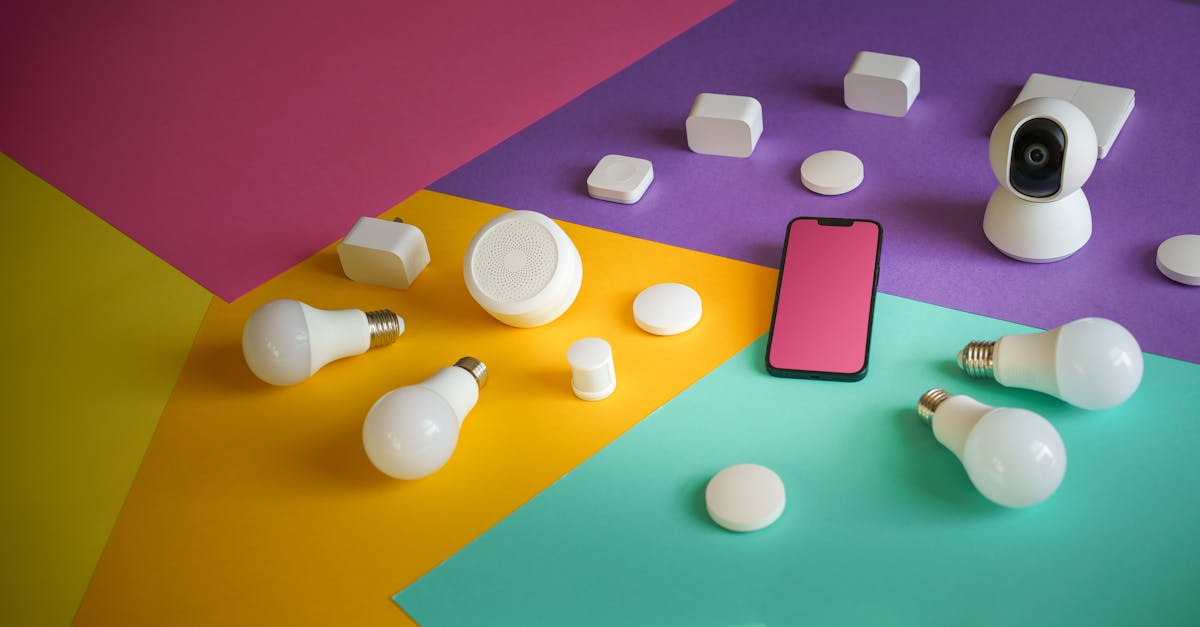
Why Your Smart Home is Still 'Dumb' (And What Actually Makes a Difference)
Every year, another wave of smart home gadgets hits the market, promising to revolutionize your daily life. You buy a smart speaker, a few smart bulbs, maybe a smart thermostat. You spend an afternoon setting it all up, feeling like you’re stepping into the future. Then, a few weeks later, the novelty wears off. The lights don’t always respond, the voice assistant misunderstands you, or you find yourself reaching for the physical switch more often than not. Your “smart” home feels… well, still pretty dumb. You’re not alone. The vast majority of smart home setups I encounter are little more than a collection of individual, disconnected gadgets. They add complexity without delivering true intelligence or convenience. The dream of a seamless, responsive home environment remains just that – a dream – for most users.
In my experience, the biggest mistake people make isn’t choosing the wrong device, but approaching the smart home as a series of isolated purchases rather than an integrated system. They focus on features, not on the overarching experience they want to create. This article isn’t about reviewing the latest gizmos; it’s about diagnosing why most smart home efforts fail to live up to their potential and offering a blueprint for building a home that genuinely makes your life easier, not more complicated.
Key Takeaways
- Most smart homes fail because they’re a collection of disconnected devices, not a cohesive system.
- Prioritize a strong, reliable network foundation before adding any smart devices.
- Focus on automations that solve genuine pain points and run silently in the background.
- Choose a primary smart home hub or ecosystem and stick with it to minimize fragmentation.
The Fatal Flaw: Disconnected Gadgets, Not an Integrated System
The fundamental problem with how most people build their smart home is treating it like a shopping list of individual gadgets. You see a cool smart plug, you buy it. You read about a popular smart camera, you add it to your cart. Before you know it, you have a dozen devices, each with its own app, its own account, and its own set of rules. You’re constantly switching between apps to control different things, or struggling to get them to work together. This isn’t a smart home; it’s a digital junk drawer. The promise of the smart home isn’t just remote control; it’s automation and interoperability. It’s about devices communicating with each other to anticipate your needs and react intelligently without constant manual input. What I’ve found time and again is that unless devices can talk to each other seamlessly and be controlled from a single pane of glass (or better yet, automatically), the convenience factor plummets. Instead of making your life simpler, you’ve added another layer of digital friction. The real magic happens when your motion sensor in the hallway tells the lights to come on, and then, after five minutes of no motion, tells them to turn off again – all without you lifting a finger or opening an app.
Your Network is the Foundation: Don’t Skimp on Reliability
Before you even think about buying a single smart light bulb or thermostat, you need to look at your home network. I’ve helped countless friends and clients troubleshoot their “flaky” smart devices, only to discover the root cause was a struggling Wi-Fi network. Smart devices are only as smart as their connection. A weak signal, too many devices on a congested channel, or an outdated router can turn your smart home into a frustrating mess of unresponsive gadgets. Imagine having an intelligent brain (your smart home hub) but a poor nervous system (your network) – the signals simply won’t get through reliably. What changed everything for me was investing in a robust mesh Wi-Fi system. Traditional single-router setups often have dead spots, especially in larger or multi-story homes. Mesh systems, with multiple access points spread throughout your home, ensure consistent, strong Wi-Fi coverage everywhere your devices need it. This isn’t just about speed; it’s about stability and low latency. Additionally, consider segmenting your network if you have many IoT devices. A separate guest network or a dedicated VLAN for IoT devices can enhance security and reduce potential congestion on your primary network. This might sound like overkill, but trust me, a stable network is the unsung hero of a truly intelligent home. Without it, every smart device is playing a lottery with its connection, and you’re the one holding the losing ticket.
Focus on Pain Points, Not Just Novelty: Automate What Matters
The most common pitfall I observe is when people buy smart devices for the novelty factor, without considering a genuine problem they’re solving. A smart light bulb is cool, but if you’re still manually turning it on and off, what’s the real benefit? A truly smart home automates tedious tasks or enhances comfort in ways you genuinely appreciate. Instead of thinking, “What cool gadget can I buy?” ask, “What repetitive or annoying task can I eliminate?” For example, constantly adjusting your thermostat throughout the day, fumbling for light switches when your hands are full, or worrying if you locked the front door. These are real pain points that smart home technology excels at solving. What changed everything for me was shifting my focus from direct control to background automation. My lights dim automatically at sunset and brighten at sunrise. My thermostat adjusts based on occupancy and time of day, not just a schedule. My bedroom fan turns on when the temperature hits a certain threshold and I’m in bed. These aren’t things I actively interact with; they simply happen. The best smart home solutions are often the ones you barely notice because they just work. Start small, identify one or two real frustrations in your daily routine, and then find a smart solution to automate them. You’ll find these targeted automations far more satisfying than a house full of devices you still have to manually control.
Choose Your Ecosystem Wisely: The Hub is Your Home’s Brain
One of the biggest sources of smart home frustration is the lack of universal compatibility. You buy a Google Assistant device, then a HomeKit-compatible sensor, and then a light bulb that only works with Alexa. Each device operates in its own silo, making unified control and complex automations nearly impossible. Your smart home needs a central brain – an ecosystem or hub that can communicate with and orchestrate all your devices. Whether it’s Apple HomeKit, Google Home, Amazon Alexa, Samsung SmartThings, Hubitat, or Home Assistant, picking a primary platform is crucial. The mistake I see most often is users trying to straddle multiple ecosystems, leading to a fragmented and unreliable experience. Each platform has its strengths and weaknesses, but the key is to commit. Once you’ve chosen, prioritize devices that are compatible with that hub or that can be easily integrated through open standards like Zigbee or Z-Wave. These low-power mesh networks are fantastic for sensors and switches, offering reliability and efficiency that Wi-Fi often can’t match for simpler devices. What changed everything for me was standardizing on one hub and then using its capabilities to link disparate devices. For instance, if you’re committed to HomeKit, look for devices that are HomeKit native, or consider a hub like Home Assistant that can bridge almost anything into HomeKit. This creates a cohesive environment where your motion sensor, regardless of brand, can trigger your lights, regardless of their brand, all through a single set of rules and a single app interface. This integration is where the ‘smart’ truly kicks in, allowing for complex, multi-device automations that adapt to your lifestyle.
Embrace the ‘If This, Then That’ Mentality: Beyond Simple On/Off
Many smart home users never move beyond the basic “turn light on/off” or “set thermostat temperature” commands. While these are useful, they barely scratch the surface of what a smart home can do. The real power lies in creating conditional automations – the ‘if this, then that’ logic. For example, if the front door unlocks (this), then turn on the hallway light, disarm the security system, and play your welcome home playlist (that). Or, if the temperature in the living room reaches 78°F and no one has been home for an hour, then turn on the AC to 75°F. These layered conditions make your home genuinely responsive to your life, rather than just a remote-controlled toy. Most smart home hubs offer robust automation engines, often with graphical interfaces that make setting up complex rules surprisingly straightforward. What I wish more people knew is that proximity is a powerful trigger. Using geofencing (your phone’s location) to trigger actions when you leave or arrive home is incredibly convenient. The mistake I see most often is overcomplicating initial automations. Start simple: “If sunset, then turn on porch light.” Once you see how reliable and beneficial these basic automations are, you’ll naturally start thinking about more intricate scenarios. Experiment with motion sensors, door/window sensors, and even smart buttons to trigger routines. The more you explore these conditional automations, the more your home will feel like it’s thinking alongside you, anticipating your needs and acting on its own initiative.
Overlooked Security & Privacy: Don’t Invite New Vulnerabilities
When we talk about making our homes smarter, we often overlook the critical aspects of security and privacy. Every smart device you bring into your home is a potential entry point for hackers or a data collector. This isn’t just about preventing break-ins; it’s about protecting your digital life. The hidden cost of convenience can be a compromise of your personal information. A smart camera with weak security protocols can become a window into your home for nefarious actors. A smart speaker constantly listening could be inadvertently recording more than you realize. The mistake I see most often is neglecting default passwords or not understanding what data a device collects and shares. What changed everything for me was treating every smart device as a potential vulnerability. Always change default passwords, enable two-factor authentication (if available) on all smart home accounts, and regularly check for firmware updates. These updates often contain critical security patches. Furthermore, be discerning about the data permissions you grant to smart home apps. Do your smart lights really need access to your contacts or location history? Probably not. Understanding the privacy policy of each device manufacturer is crucial, even if it’s tedious. Finally, consider network segmentation, as mentioned earlier. Isolating your IoT devices on a separate network limits their ability to interact with your more sensitive devices (like your computer or phone) if they are compromised. Your smart home should be a fortress of convenience, not a gaping hole in your digital defense. Take the time to secure your devices properly, and your peace of mind will be a valuable return on that investment.
Frequently Asked Questions
Q: Do I really need a dedicated smart home hub, or can I just use Alexa/Google Home?
A: While voice assistants like Alexa and Google Home can control many smart devices, a dedicated hub (like SmartThings, Hubitat, or Home Assistant) often provides more robust local control, complex automation capabilities, and better interoperability with a wider range of devices (especially Zigbee and Z-Wave). Voice assistants are great for triggering routines, but a hub acts as the brain for deeper, more reliable automations.
Q: Is it better to go all-in on one brand, like Philips Hue or Ring, or mix and match?
A: While staying within a single brand’s ecosystem can simplify initial setup, it often limits your options and can be more expensive. The best approach is to choose a strong central hub/ecosystem (e.g., Apple HomeKit, Google Home, SmartThings) and then select individual devices from various brands that are compatible with that chosen ecosystem or open standards like Zigbee/Z-Wave. This gives you flexibility without sacrificing integration.
Q: My smart devices sometimes lose connection. What’s the most common reason?
A: The most common reason for flaky smart device connections is a weak or congested Wi-Fi network. Ensure you have a robust Wi-Fi setup, preferably a mesh system for larger homes, and check for channel interference. Older routers might struggle with the sheer number of devices in a modern smart home. Also, consider the distance between the device and your Wi-Fi access point or smart home hub.
Q: What’s the difference between Zigbee, Z-Wave, and Wi-Fi for smart devices?
A: Wi-Fi devices connect directly to your home Wi-Fi network, consuming more power and potentially congesting your network. Zigbee and Z-Wave are low-power mesh networking protocols designed specifically for smart home devices. They create their own dedicated networks, with devices acting as repeaters to extend range. This results in more reliable connections, longer battery life for sensors, and less strain on your Wi-Fi.
Q: How can I ensure my smart home is private and secure?
A: Always change default passwords, enable two-factor authentication on all smart home accounts, and keep device firmware updated. Understand what data each device collects and adjust privacy settings. Consider creating a separate Wi-Fi network or VLAN for your IoT devices to isolate them from your primary network. Be cautious about granting unnecessary app permissions.
The Path to a Truly Intelligent Home
The vision of a truly smart home isn’t a collection of disparate gadgets that you constantly have to fiddle with. It’s an environment that anticipates your needs, handles routine tasks silently in the background, and makes your life genuinely easier without demanding your constant attention. The journey to achieving this starts not with the next shiny gadget, but with a solid network foundation, a clear understanding of your pain points, a committed choice of ecosystem, and a focus on intelligent automations over simple remote control. Stop thinking of smart devices as individual purchases and start seeing them as components of a single, integrated system. By adopting this mindset, you’ll move beyond the ‘dumb’ smart home and finally experience the convenience and efficiency that these technologies genuinely promise. Your next step: audit your current Wi-Fi setup and identify one repetitive task you’d love to automate.
Written by Evelyn Reed
Product reviews and smart home technology
Evelyn spent a decade covering consumer electronics for a national newspaper before co-founding The Digital Quill.
You Might Also Like

How Do I Remove Stubborn Digital Clutter from My Old Devices?
Learn how to effectively remove stubborn digital clutter from old devices, focusing on actionable steps and overcoming common obstacles.

A High Wattage Rating on USB-C Chargers Does Not Guarantee Fast Device Charging
Don't fall for marketing hype; a charger's wattage doesn't tell the whole story for fast USB-C charging. Learn what truly matters.

Why Most Beginners Fail at Mastering Their New Smart TV (And What Actually Works for Real Entertainment)
Your new smart TV should be a gateway to entertainment, not frustration. Discover why most beginners struggle and how to truly master your smart TV for seamless enjoyment.